

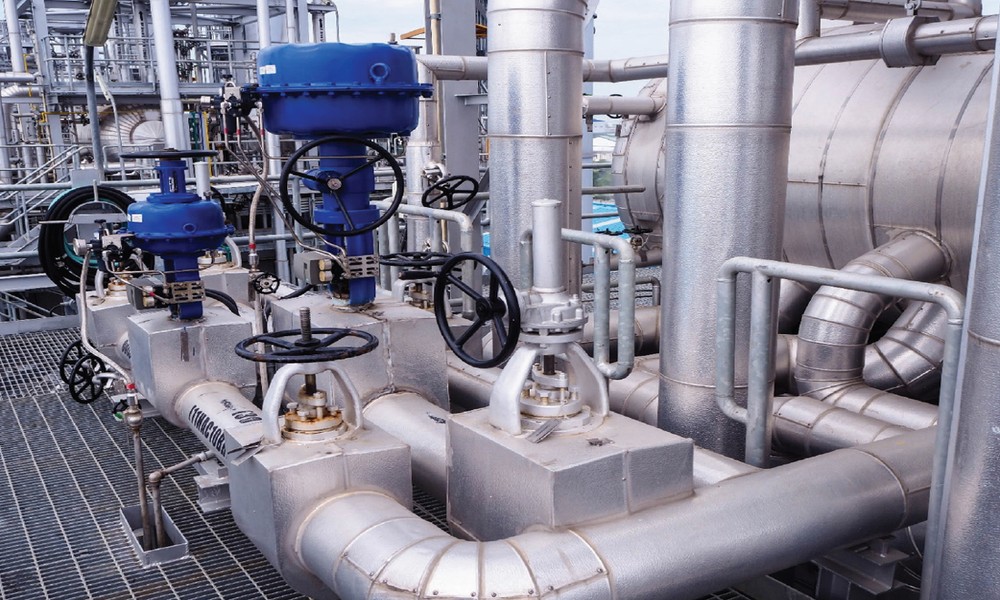
In any industrial piping system, efficient flow control is essential for maintaining performance, safety, and reliability. While pipes provide the pathway for fluids, it is valves and fittings that enable systems to function effectively. Across UK industries such as water treatment, manufacturing, and chemical processing, these components work together to regulate flow, manage pressure, and ensure system flexibility.
Understanding how valves and fittings interact is key to designing and maintaining efficient pipework systems.
The Role of Valves in Flow Control
Valves are responsible for controlling the movement of fluids within a system. They allow operators to start, stop, or regulate flow depending on operational requirements.
Common valve functions include:
- Isolation: Shutting off flow to specific sections
- Regulation: Adjusting flow rate and pressure
- Prevention of backflow: Protecting systems from reverse flow
- Directional control: Managing how fluids move through the network
Different valve types are used depending on the level of control required, from simple on/off functions to precise flow regulation.
The Role of Pipe Fittings
Pipe fittings connect sections of pipe and help shape the overall layout of a system. They are essential for directing flow and ensuring that fluids reach the correct destinations.
Key functions of fittings include:
- Changing direction with elbows
- Splitting or combining flow using tees
- Connecting different pipe sizes with reducers
- Joining pipe sections securely with couplings
Without fittings, it would be impossible to create complex or functional pipe networks.
How Valves and Fittings Work Together
Valves and fittings are closely linked in how they manage flow within a system. While fittings guide the direction of flow, valves control how much fluid passes through those pathways.
Together, they enable:
- Precise routing of fluids through complex systems
- Controlled distribution across multiple branches
- Efficient isolation of system sections for maintenance
- Stable pressure management throughout the network
A well designed system relies on both components working in harmony.
Maintaining Flow Efficiency
Incorrect placement or selection of valves and fittings can lead to inefficiencies such as pressure loss, turbulence, or restricted flow.
To maintain efficiency:
- Position valves where control is most effective
- Use fittings that minimise sharp direction changes
- Ensure components are correctly sized
- Avoid unnecessary complexity in system design
Optimising both elements helps maintain smooth and consistent flow.
Supporting System Reliability
Valves and fittings are often the most vulnerable points in a pipework system, as they are subject to wear, pressure changes, and environmental conditions.
Ensuring reliability involves:
- Using high quality components suited to the application
- Matching materials to the fluid and environment
- Conducting regular inspections and maintenance
- Replacing worn or damaged parts promptly
A proactive approach helps prevent leaks, failures, and downtime.
Applications Across UK Industry
The combined use of valves and fittings is essential in a wide range of sectors, including:
- Water and wastewater treatment systems
- Chemical processing and manufacturing plants
- Food and beverage production
- Construction and infrastructure projects
- Heating, cooling, and utility systems
In each case, effective flow control is critical to operational success.
Frequently Asked Questions
Do valves and fittings need to be the same material?
Not always, but they must be compatible to avoid issues such as corrosion or joint failure.
Can poor quality fittings affect valve performance?
Yes. Inconsistent connections or leaks can impact how effectively valves control flow.
How often should valves and fittings be inspected?
Regular inspections are recommended, particularly in high pressure or demanding environments.
What happens if components are incorrectly sized?
Incorrect sizing can lead to pressure issues, restricted flow, and reduced system efficiency.
Final Thoughts
Valves and fittings are essential components that work together to control flow within industrial piping systems. By carefully selecting, positioning, and maintaining these elements, UK businesses can ensure efficient, reliable, and safe operation.
A well designed system that balances both flow direction and control will perform more effectively and require less maintenance over time.