
From Insulation to Compliance: Selecting Submersible Cable and Power Cord Manufacturers in India
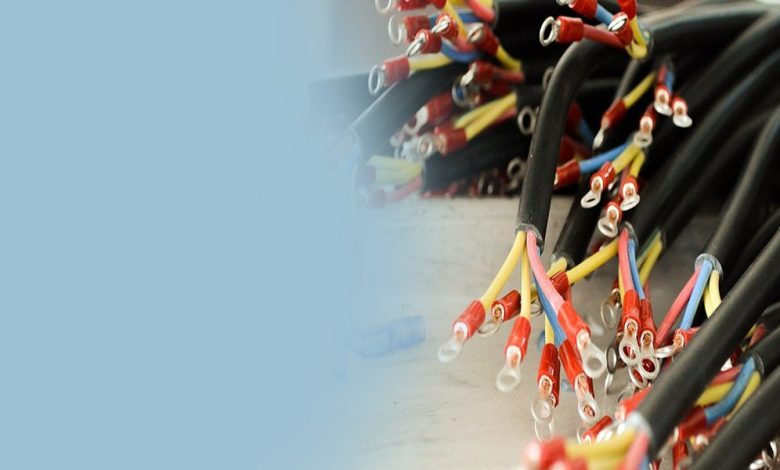
Submersible cables and power cords look like simple items, but they decide whether your system runs safely or fails when you need it most. Nisan Cords often sees buyers compare rates quickly and miss the basics-insulation build, water exposure performance, and compliance paperwork. If you tighten your checks early, you reduce breakdowns, returns, and urgent replacement orders.
Start with the installation reality
First, note where the cable will sit and what it will face. Submersible setups deal with water, pressure, bending during installation, and sometimes chemicals in the water. Power cords may face heat, dust, pulling, and daily handling. Do one thing: write down the depth, expected run hours, temperature range, and any movement or vibration. When you share this, manufacturers can suggest the right insulation and jacket type.
Insulation and jacket checks you can verify
For submersible use, insulation and outer sheath quality matters more than thickness on paper. Ask for conductor details, insulation material type, sheath compound, and overall diameter tolerance. It is better to request a sample cut section and confirm layers visually. Also check flexibility; if the cable feels stiff, installers tend to force bends, and that creates weak points.
When you shortlist Submersible Cable manufacturers in India, ask how they control water sealing at the ends during testing, and what routine tests they run for insulation resistance and high voltage checks. If the factory avoids test discussions, you have to be careful.
Power cord safety depends on the plug end
Most cord failures start near the plug moulding. Check moulding finish, strain relief, and pin alignment. Bend the cord near the plug several times and see if the strain relief holds shape. Look for any soft spots, cracks, or uneven moulding. Also confirm conductor gauge and insulation thickness, because overheating risk increases when the build does not match load.
For Power cord manufacturers in India, ask what checks they run on plug retention and pull force. Also ask how they avoid mix-ups between similar looking cords, because packing errors cause rejections even when quality is fine.
Compliance: ask for proof, not promises
Compliance should be linked to the exact part you are buying. Ask for test reports that mention the same configuration-wire size, length, plug type, and insulation material. Check dates and batch references. It is better to keep a simple document folder per SKU: drawing, BOM, test reports, declarations if needed, and change history.
Do one thing-ask about change control. If the supplier changes resin, wire vendor, or plug pins, you should get prior approval. Without this, the same item code can behave differently after a few months.
Sampling and pilot runs reduce surprises
Do not approve on one perfect sample. Ask for a small pilot run and test units from different cartons. Check insulation resistance, heating under load, bend behaviour, and basic visual finish. For submersible applications, test water exposure in a controlled setup if you can.
Also check packing. Sealed cartons only, proper coiling, and protection on plug pins and cable ends. One extra layer of inner packing often prevents transport damage.
In the end, sourcing is easier when you combine insulation checks, practical testing, and clean paperwork. Nisan Cords recommends you keep the spec tight, verify test evidence, and lock change control so your supply stays stable across batches, not only in the first dispatch.
