

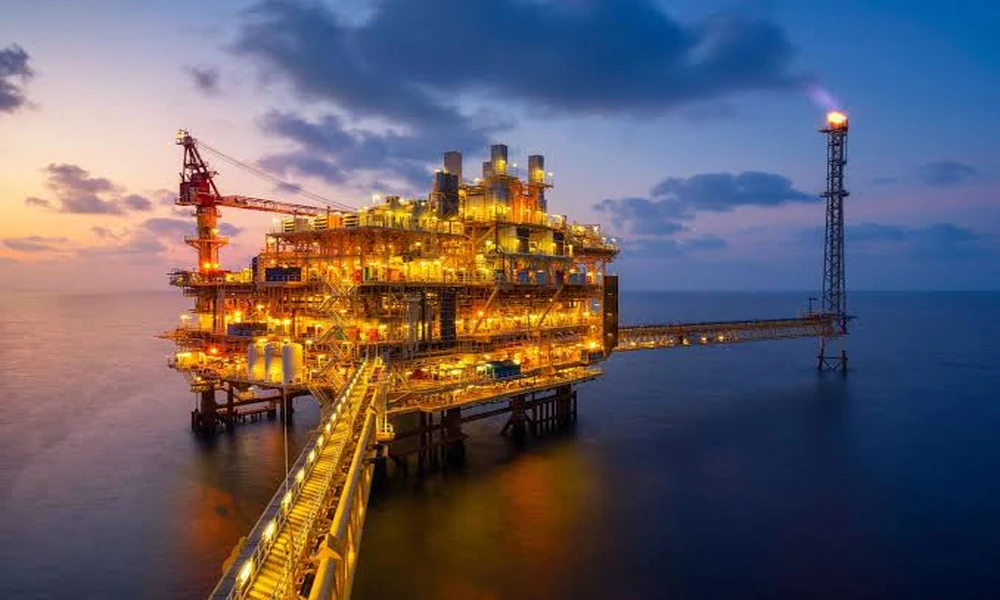
Oil prices rarely stay still for long, and even modest changes can send ripples through economies across the globe. While consumers often notice higher fuel costs first, businesses experience the effects in far more complex ways. From manufacturing and transportation to retail and agriculture, the cost of oil influences operating expenses, pricing strategies, investment decisions, and long-term planning.
Understanding how oil prices affect business helps companies prepare for market shifts instead of simply reacting to them. Industry analysts, economists, and major financial institutions consistently recognise energy prices as one of the key indicators of global economic activity because they influence production costs, supply chains, and consumer behaviour across nearly every sector.
Why Oil Prices Matter Beyond the Energy Industry
Many people associate oil prices only with gasoline or energy companies, but oil is deeply integrated into modern business operations. It powers transportation networks, serves as a raw material for countless manufactured products, and influences logistics costs worldwide. Even businesses with little direct connection to energy often feel the indirect effects of changing oil prices.
When oil becomes more expensive, shipping companies typically face higher fuel expenses. Those additional costs can eventually reach manufacturers, wholesalers, retailers, and ultimately consumers. As transportation becomes more costly, businesses may need to adjust pricing or find operational efficiencies to protect profit margins while remaining competitive.
Lower oil prices can provide relief by reducing operating expenses, allowing businesses to invest more confidently in expansion, hiring, or innovation. However, falling prices may also indicate slowing global demand, creating uncertainty for industries that depend on healthy economic growth. This balance makes oil prices an important indicator for business leaders across multiple sectors.
The Impact on Manufacturing and Supply Chains
Manufacturing relies heavily on stable energy costs. Factories consume significant amounts of electricity and fuel, while many products contain petroleum-based materials such as plastics, synthetic fibres, chemicals, and packaging. When oil prices rise, production costs often increase across several stages of manufacturing.
Global supply chains add another layer of complexity. Products frequently travel through multiple countries before reaching customers, relying on ships, trucks, rail systems, and aircraft along the way. Every increase in fuel costs can affect transportation budgets, inventory planning, and delivery schedules. Businesses that maintain efficient supply chains are often better positioned to absorb these fluctuations without passing every additional cost directly to customers.
Companies increasingly reduce their exposure to energy volatility by diversifying suppliers, investing in technology, improving inventory management, and optimising transportation routes. These operational improvements not only help manage changing oil prices but also strengthen overall business resilience during periods of economic uncertainty.
Transportation, Travel, and Consumer Spending
Transportation businesses are among the first to experience the effects of changing oil prices. Airlines, shipping companies, trucking firms, and public transportation providers all rely heavily on fuel. Rising energy costs can reduce profitability unless businesses improve efficiency or adjust pricing structures.
Higher transportation expenses often influence tourism and travel as well. Families may postpone vacations when flights become more expensive, while businesses might reduce travel budgets by increasing virtual meetings. These decisions affect hotels, restaurants, entertainment venues, and other industries connected to travel demand.
Consumers also change spending habits when fuel costs rise. If households spend more on gasoline or heating, they often have less disposable income available for discretionary purchases. Retailers and service providers may experience slower sales, prompting businesses to adapt marketing strategies, product offerings, or pricing models to maintain customer engagement.
Financial Markets and Investor Confidence
Oil prices influence financial markets because they provide insight into global economic conditions. Investors often monitor energy prices alongside inflation, interest rates, employment trends, and international trade when evaluating market opportunities. While oil is only one piece of a much larger picture, it remains an important economic indicator.
For individuals interested in market performance, the following energy companies can offer additional context during periods of changing oil prices. Investors sometimes review metrics such as what ExxonMobil is trading at when evaluating broader market sentiment surrounding the energy sector. Looking beyond a single stock price, however, helps create a more complete understanding of how energy markets interact with corporate earnings, commodity demand, and economic expectations.
Financial professionals generally encourage diversified investing and long-term decision-making rather than reacting to short-term commodity movements. Oil markets can respond quickly to geopolitical developments, production decisions, weather events, and shifts in global demand, making thoughtful analysis more valuable than emotional reactions.
Conclusion
Oil prices influence far more than the cost of filling a fuel tank. They affect manufacturing, transportation, consumer spending, investment decisions, and the broader global economy. Businesses of every size feel these effects, whether directly through operating expenses or indirectly through shifting customer behaviour and supply chain costs.
While price fluctuations are inevitable, preparation remains one of the strongest competitive advantages. By understanding how energy markets shape business operations and making informed strategic decisions, organisations can remain resilient, adapt with confidence, and continue pursuing sustainable growth regardless of changing market conditions.