

Influencer marketing promised brands immediate visibility. A large following, polished content and the appearance of credibility seemed like a shortcut to growth. For a while, it worked. But as the market matured, many brands began noticing a pattern. Engagement did not always translate into sales. Impressions looked impressive in reports, yet revenue remained inconsistent.
The issue is not influence itself. The issue is structure.
The Structural Weakness of Traditional Influencer Campaigns
Traditional influencer campaigns are usually built around upfront payments. Brands pay creators for exposure, whether or not the content converts. The financial risk sits entirely with the brand. If the audience does not respond, the campaign ends as a marketing expense rather than a growth engine.
This model can work for brand awareness, but it struggles when performance and profitability are the goal.
A second weakness lies in alignment. Once a creator has been paid, there is limited incentive to optimise content for conversions. The post goes live, the metrics are recorded, and the collaboration concludes. There is no long-term incentive loop driving refinement or iteration.
As advertising costs continue to rise across platforms, brands are becoming more cautious about allocating budget purely for impressions. Visibility without measurable sales increasingly feels inefficient.
Why UGC Affiliate Marketing Creates Sustainable Growth
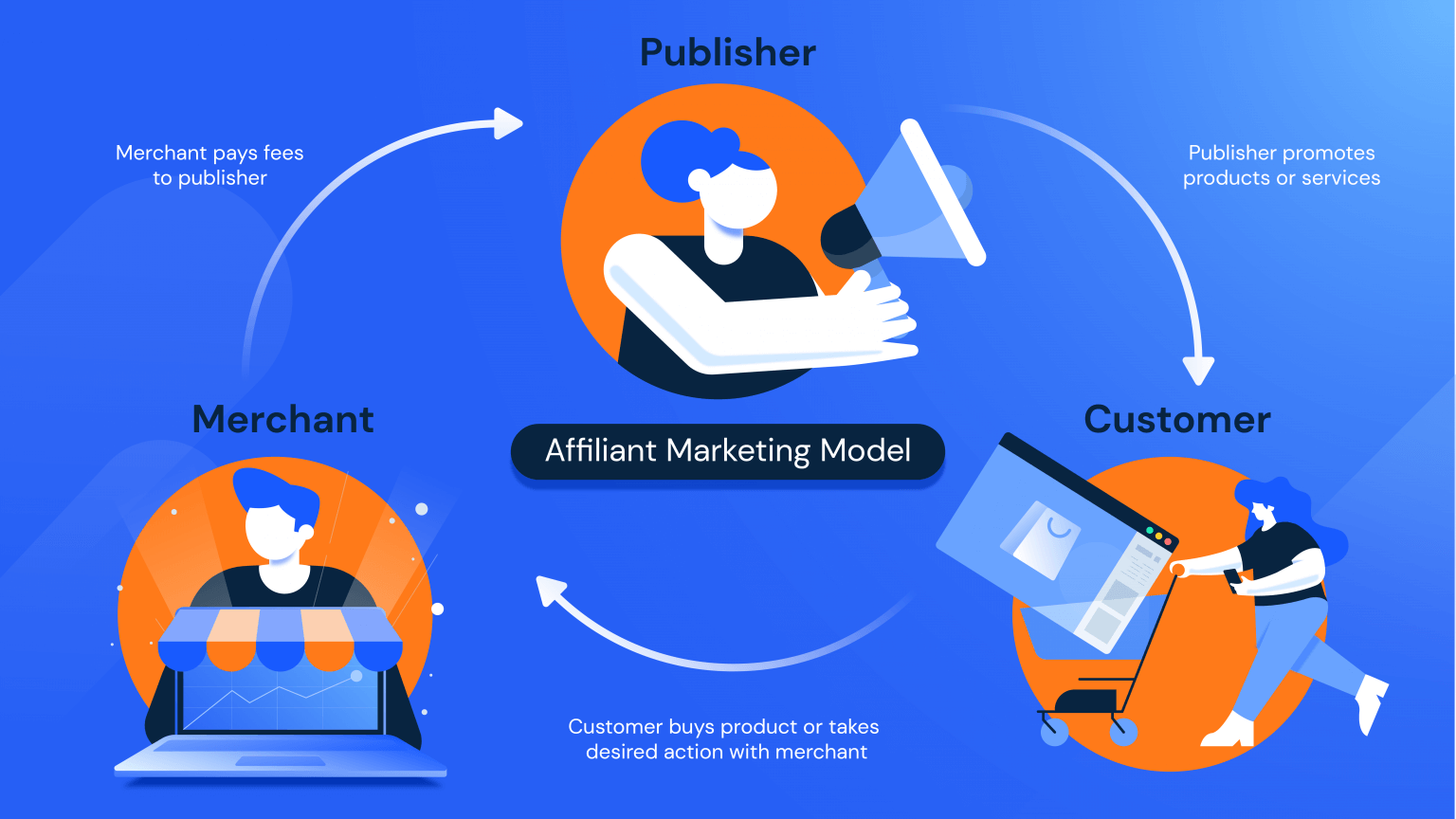
A structured UGC affiliate marketing model shifts the economics entirely. Instead of paying for visibility alone, brands reward creators based on actual sales generated. Incentives become aligned. Creators are motivated to produce higher-performing content because their compensation depends on results. Brands reduce upfront financial risk and focus spending on revenue-producing partnerships.
The difference is operational rather than cosmetic.
When affiliate logic is embedded into user-generated content, creators move from being promoters to becoming revenue partners. They test different hooks, refine messaging, respond to audience objections and repost improved variations. Content becomes iterative rather than one-off.
Platforms such as TikTok Shop have accelerated this shift. With in-app purchasing and affiliate tracking, content performance becomes measurable in real time. A video is no longer judged purely by views or likes, but by conversion data. This transparency encourages optimisation and scalability.
Unlike isolated influencer campaigns, performance-based systems allow continuous recruitment and activation of creators. Instead of negotiating from scratch for each collaboration, brands build ongoing creator ecosystems.
Influencer marketing is not obsolete. It remains useful for visibility and brand positioning. However, for brands seeking predictable revenue growth rather than temporary reach, structured UGC affiliate marketing provides a more resilient framework.
In digital commerce, alignment drives performance. When incentives are shared, optimisation becomes continuous. And when optimisation is continuous, growth becomes measurable rather than hopeful.
