

Key Takeaways
- Not all CNC machining for medical devices meet the strict regulatory and quality demands of healthcare manufacturing
- Precision CNC components for the medical industry require specialised processes, materials, and documentation
- Choosing the wrong provider can lead to compliance risks, product failure, and costly delays
Introduction
Many Computer Numerical Control (CNC) machining for medical services appear capable of producing precision parts at first glance. Tight tolerances, advanced equipment, and competitive pricing are often marketed as standard offerings. However, when it comes to CNC machining for medical devices, the requirements go beyond general precision manufacturing. Medical applications demand strict adherence to regulatory standards, validated processes, and material traceability. The gap between general machining and medical-grade production is significant, and not every provider is equipped to meet it.
Lack of Regulatory Compliance and Certification
One of the primary reasons not all CNC machining for medical devices are suitable for medical applications is the absence of proper regulatory compliance. Medical devices must meet strict international standards such as ISO 13485, which governs quality management systems specific to medical manufacturing. Many general machining providers operate under broader certifications like ISO 9001, which are insufficient for medical use. However, without the right certification, there is no guarantee that processes are controlled, validated, or consistently documented to meet healthcare requirements.
Remember, in precision CNC components for the medical industry, compliance is not optional. Manufacturers must maintain detailed records for every stage of production, including inspection data, calibration logs, and process validation reports. These records are essential for audits and regulatory submissions. A provider lacking this infrastructure cannot support medical device companies through compliance checks, which increases the risk of rejected products or delayed approvals.
Inadequate Material Control and Traceability
Material selection and traceability are critical in precision CNC components for the medical industry, yet many CNC machining for medical devices do not operate with the required level of control. Medical components often use specialised materials such as titanium alloys, medical-grade stainless steel, or biocompatible plastics. These materials must be sourced from certified suppliers and accompanied by full traceability documentation.
General machining providers may not maintain strict inventory segregation or batch tracking systems. This instance creates uncertainty about the origin and quality of materials used. However, in medical applications, this is a serious issue. If a defect or failure occurs, manufacturers must be able to trace the component back to its material batch and production conditions. Remember, without this capability, recalls become more complex and regulatory risks increase.
Furthermore, improper handling of materials can compromise their properties. For example, contamination during machining or incorrect storage conditions can affect biocompatibility. CNC machining for medical devices that are not structured for medical work may overlook these risks, leading to components that fail performance or safety standards.
Insufficient Process Control and Quality Assurance
Precision alone does not define suitability for precision CNC components for the medical industry. Process control and quality assurance systems must be significantly more robust than those used in general manufacturing. Many CNC machining for medical devices focus on achieving dimensional accuracy but lack validated processes that ensure repeatability and consistency across production batches.
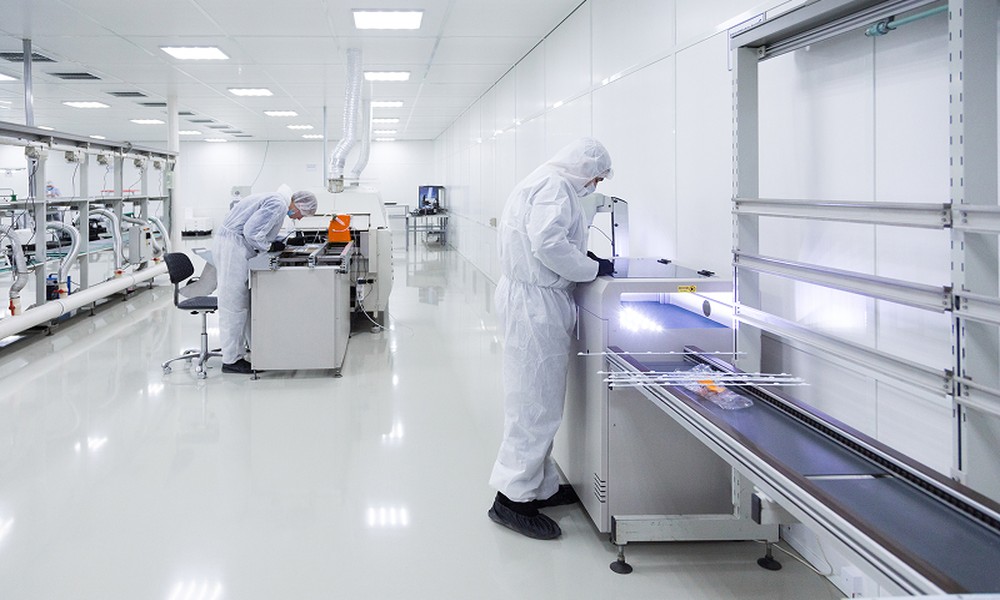
Medical device production requires controlled environments, standardised operating procedures, and in many cases, cleanroom conditions. Additionally, inspection methods must be documented and repeatable, often involving advanced metrology equipment and statistical process control. Providers that do not implement these systems may produce parts that meet initial specifications but fail under real-world conditions or across multiple production runs.
Another critical factor is change management. Remember, in medical manufacturing, even minor adjustments to machining parameters must be documented and approved. General machining providers may not have formal change control procedures, increasing the risk of undocumented variations. This lack of control can compromise product integrity and create compliance issues during audits.
Conclusion
While many CNC machining for medical devices can deliver high-precision components, only a subset is equipped for precision CNC components for the medical industry. Regulatory compliance, material traceability, and rigorous process control are non-negotiable in healthcare manufacturing. Companies that overlook these factors when selecting a machining partner risk delays, product failures, and regulatory setbacks. The decision should not be based solely on cost or capability claims, but on proven experience and infrastructure aligned with medical standards.
Visit Disk Precision Group – USA and work with a CNC partner that understands compliance, traceability, and validated processes from day one.