

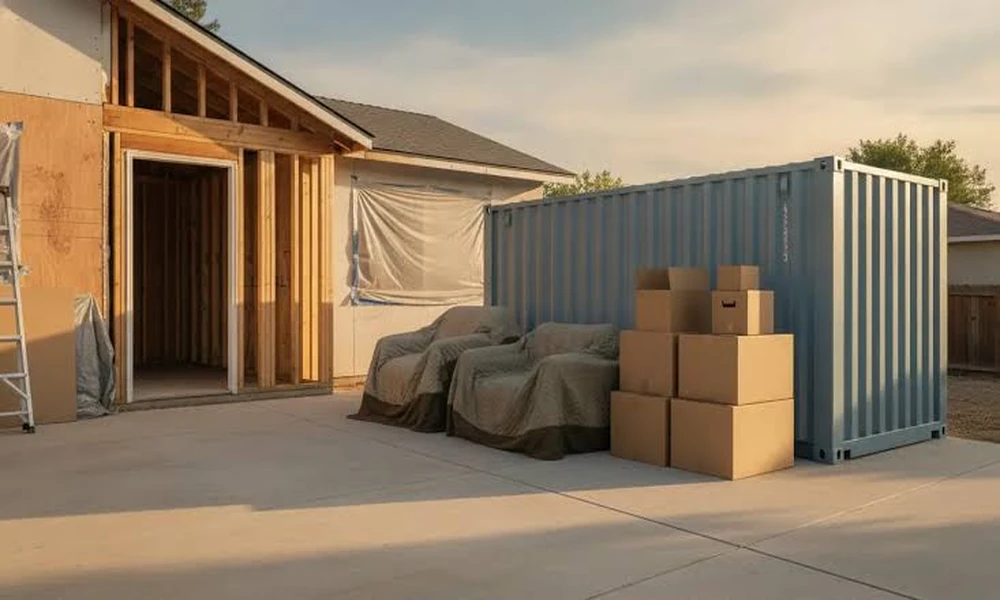
Transforming your living space into your dream home brings immense excitement, but navigating the actual renovation process often feels chaotic. Between flying concrete dust, swinging sledgehammers, and constant contractor foot traffic, keeping your cherished belongings safe poses a massive challenge. Leaving furniture and electronics in rooms under construction exposes them to accidental scratches, paint splatters, and fine drywall dust that penetrates sensitive components. Securing flexible storage in Singapore offers the ultimate safeguard, clearing your floor space so contractors work efficiently while your possessions remain pristine.
Clearing the Construction Zone: Protecting Big-Ticket Furniture
Large furniture pieces form the heart of your home, but they also occupy crucial working space during a major overhaul. Attempting to shuffle bulky sofas, dining tables, and wardrobes from room to room as work progresses frustrates contractors and increases the risk of costly damage.
Moving heavy items off-site protects your investment and speeds up the entire renovation timeline:
- Upholstered Sofas and Armchairs – Fabric and leather easily absorb fine construction dust, moisture, and chemical paint fumes that prove nearly impossible to remove later.
- Solid Wood Dining Sets – Temperature fluctuations and heavy tools can permanently scratch, warp, or stain expensive timber surfaces.
- Mattresses and Bed Frames – Dust mites and airborne debris settle deep into mattress fibres, compromising hygiene and sleep quality when you move back in.
- Custom Wardrobes and Credenzas – Freestanding cabinetry risks structural damage when contractors knock down nearby partition walls.
Clearing these bulky items ensures contractors move freely, lay new flooring without obstacles, and complete your project on schedule.
Safeguarding Sensitive Assets: Electronics and Sentimental Treasures
While furniture takes up physical space, delicate electronics and irreplaceable personal keepsakes face the highest risk of permanent harm during building work. Fine silica dust drifts through keyholes and taped doorways, settling inside delicate circuit boards and exhaust vents.
Packing away your high-value electronics, such as OLED televisions, sound systems, gaming consoles, and desktop computers, prevents internal short circuits and premature hardware failure. Similarly, move sentimental heirlooms, photo albums, original artwork, and important legal documents off-site immediately. Securing climate-controlled storage solutions shields these temperature-sensitive items from extreme heat and humidity, ensuring they remain in flawless condition until your renovation wraps up.
Sorting the Essentials: What Can Safely Stay Behind?
You do not need to pack up every single item in your household when preparing for construction. Strategic packing allows you to minimise storage costs while keeping vital tools accessible.
Items that can safely remain on-site include:
- Plastic Outdoor Furniture – Durable patio chairs and tables withstand dust and wipe clean effortlessly once workers finish.
- Building Materials and Fixtures – Store new tiles, light fixtures, and sanitary ware in a designated dry corner ready for contractor installation.
- Basic Hand Tools – Keep basic screwdrivers, hammers, and tape measures nearby for quick site inspections and minor fixes.
- Non-Perishable Cleaning Supplies – Stock brooms, industrial trash bags, and microfiber cloths on-site for interim site clean-ups.
Distinguishing between sensitive belongings and rugged utility items streamlines your packing process and keeps temporary storage costs manageable.
Streamlining the Move: Smart Packing for Stress-Free Unpacking
Packing for temporary storage requires a slightly different approach than packing for a permanent house move. Because you will retrieve these items once contractors hand over your keys, organising your unit thoughtfully saves immense time later.
Use sturdy, uniform cardboard or plastic boxes and label every side clearly with both contents and destination rooms. Pack heavy items like books in smaller boxes to prevent back strain, and wrap delicate glassware in bubble wrap. When loading your unit, place large furniture along the back walls and keep daily essentials or items you might need mid-renovation near the front entrance. Creating a clear central aisle allows you to retrieve specific boxes without dismantling your entire storage setup.
When looking for reliable storage in Singapore, selecting a facility with round-the-clock security and flexible lease terms gives you complete peace of mind throughout your home transformation.
Protecting Your Belongings for a Worry-Free Home Transformation
Renovating your home should feel like an exciting fresh start, not an exhausting trial of damaged possessions. By moving bulky furniture, delicate electronics, and sentimental treasures into a secure off-site facility, you protect your valuable assets and give contractors the space they need to deliver flawless results.
Frequently Asked Questions
How far in advance should I book storage before my renovation starts?
Book your unit at least two to three weeks before your renovation start date. This timeframe gives you ample opportunity to pack methodically, label boxes clearly, and arrange transport without last-minute panic.
Do I need a climate-controlled storage unit for my furniture?
Climate-controlled units are highly recommended for solid wood furniture, leather goods, artwork, electronics, and paper documents to protect them from Singapore’s high humidity and mold growth.
Can I adjust my storage lease if my renovation gets delayed?
Yes, reputable storage facilities offer flexible monthly extension options, allowing you to keep your items safe for as long as your contractor needs to finish the job.
Contact Work+Store to secure your secure, flexible self-storage unit now.
