

Key Takeaways
- Turning suits cylindrical parts, while milling supports complex shapes.
- Cutting methods differ, which affects finish and machining efficiency.
- Setup complexity influences production cost and turnaround time.
Introduction
Choosing between CNC turning services and CNC milling services depends on how a component needs to be shaped, finished, and produced within a given timeline. Many businesses approach precision machining with a focus on final output, yet the process behind that output determines cost, lead time, and consistency. When part requirements evolve during design or production planning, selecting the wrong method can lead to unnecessary revisions or delays. Understanding what is the difference between cnc milling and turning allows engineers and procurement teams to align machining choices with practical manufacturing goals from the outset.
1. Movement of Workpiece and Cutting Tool
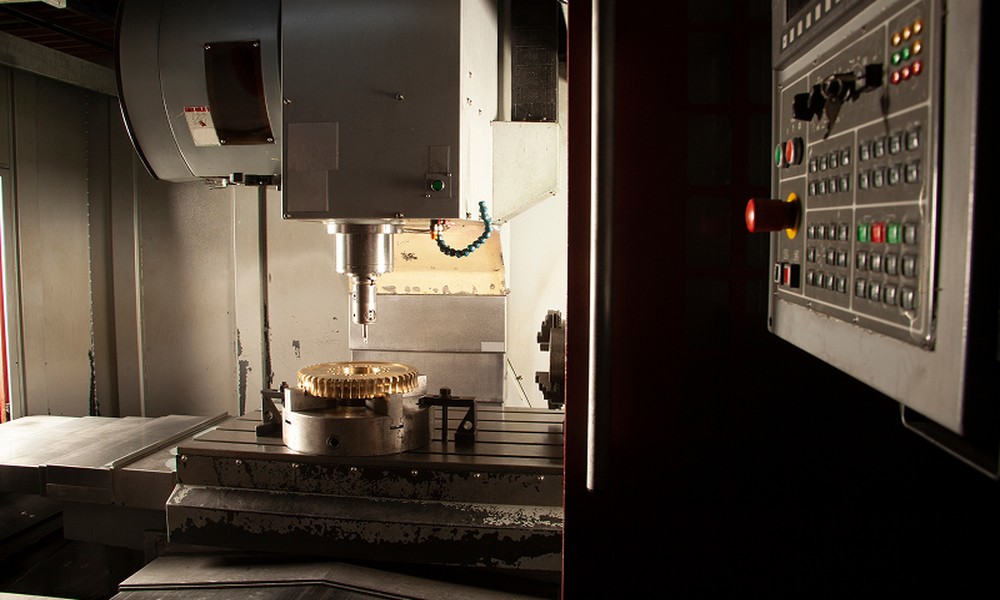
The most fundamental difference lies in how each process handles motion during machining. In CNC turning services, the workpiece rotates at high speed while the cutting tool remains fixed in position. This setup allows material to be removed in a consistent circular motion. In CNC milling services, the workpiece stays secured while the cutting tool rotates and moves across multiple axes. This distinction shapes how each process interacts with material and determines which method delivers greater efficiency for specific component types.
2. Suitability for Different Part Geometries
Each machining process aligns with particular shapes, which makes early design decisions important. Turning works best for cylindrical or symmetrical components, where rotation creates uniform dimensions. Milling, on the other hand, supports more complex geometries that include flat surfaces, slots, and irregular contours. When a design includes varied features within a single part, milling often provides the flexibility required to achieve precise detailing without additional processing steps.
3. Cutting Method and Tool Engagement
Cutting behaviour differs significantly between the two methods, which affects both tool wear and machining stability. Turning involves continuous contact between the tool and the material, which results in a steady cutting process. Milling introduces an interrupted cutting pattern, where the tool engages and disengages repeatedly as it rotates. What the difference between cnc milling and turning is that they both have different influences on vibration, heat generation, and overall machining efficiency, particularly when working with harder materials or intricate designs.
4. Surface Finish and Visual Output
Surface finish plays a key role in determining whether a part meets functional and aesthetic requirements. CNC turning services typically produce smooth, concentric finishes due to the consistent rotational motion of the workpiece. CNC milling services may leave visible patterns depending on tool paths and feed rates, especially on flat surfaces. While both processes can achieve high-quality results, the finish characteristics differ and may influence secondary treatments such as polishing or coating.
5. Material Removal Efficiency
Material removal rate affects how quickly a component can be produced, especially when working with raw stock. Turning excels at removing material from cylindrical pieces, making it efficient for reducing diameter or shaping round forms. Milling offers greater versatility when working with blocks or plates, where material must be carved away in multiple directions. Choosing the appropriate process ensures that production time remains aligned with project timelines without unnecessary machining steps.
6. Setup Requirements and Cost Considerations
Setup complexity influences both preparation time and overall cost, particularly for high-volume production. Turning setups tend to be more straightforward, as the process relies on rotational symmetry and simpler tooling configurations. Milling setups often involve more detailed programming and fixturing, especially when using multi-axis machines. While this complexity allows for greater design flexibility, it also increases preparation time and cost, which must be considered during planning.
Conclusion
So when asking what is the difference between cnc milling and turning, they each serve distinct roles within precision machining, with differences that extend beyond simple equipment variation. By understanding how movement, geometry, cutting behaviour, and setup requirements interact, businesses can select the most suitable process for their components. This alignment reduces inefficiencies and supports consistent production outcomes that meet both technical and operational expectations.
Contact Disk Precision Group – Singapore to evaluate your design and determine whether CNC turning services or CNC milling services best suit your production requirements.
